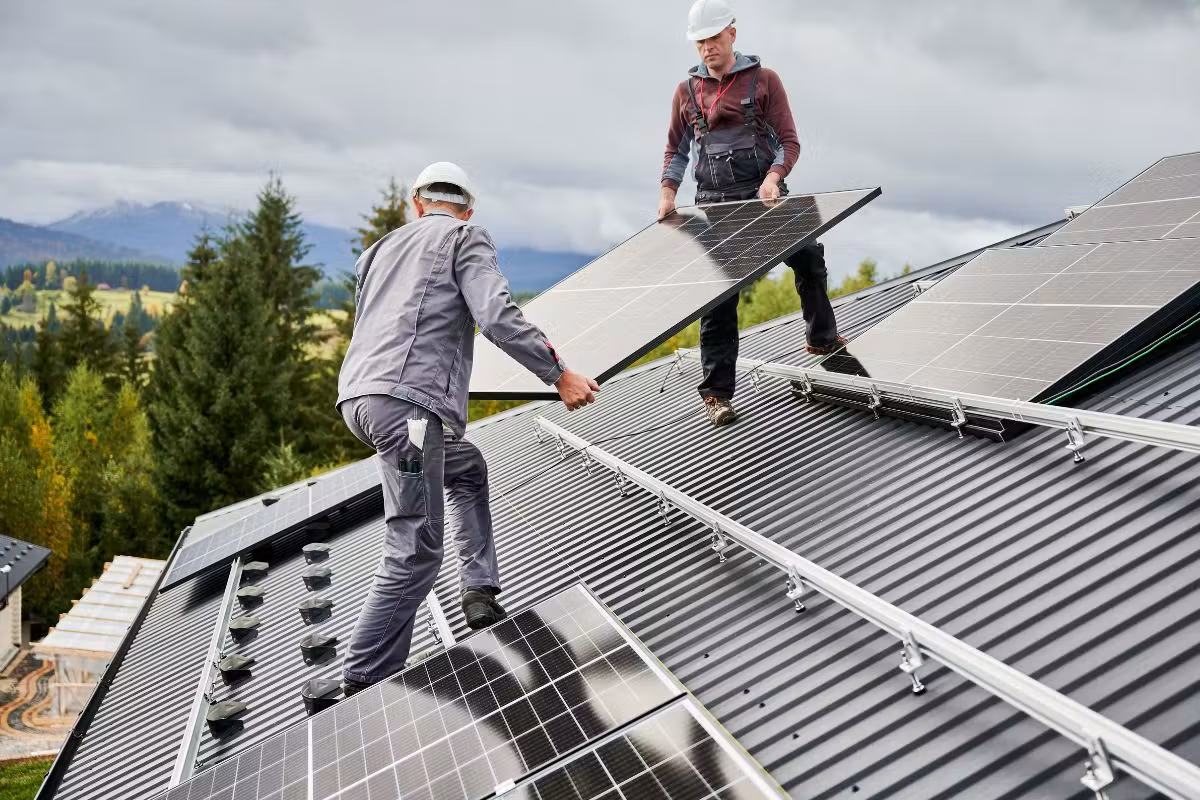

The way people produce and use electricity is changing as the demand for cleaner energy continues to grow. Traditional energy sources, including coal, oil, and natural gas, have supported homes and industries for many years, but they also contribute to air pollution and greenhouse gas emissions. Renewable energy technology offers another approach by using naturally available resources such as sunlight, wind, and water.
Among the available options, solar panels and smart energy systems are becoming increasingly important. Solar panels convert sunlight into electricity, while smart technologies help households and businesses monitor, manage, and use that electricity more efficiently. Together, these solutions can reduce dependence on conventional energy sources and support a more sustainable future.
Understanding Renewable Energy Technology
Renewable energy comes from natural sources that are replenished over time. Unlike fossil fuels, these resources do not depend on limited underground supplies. Solar power, wind energy, hydropower, and geothermal energy are common examples.
Solar energy has become especially popular because sunlight is available in many parts of the world. It can be used to produce electricity for homes, offices, factories, schools, and other buildings.
Technology has also improved the way renewable electricity is generated and managed. Modern equipment can monitor energy production, identify changes in consumption, and help users make better decisions about when to use electricity.
Although renewable energy systems require an initial investment, they can provide long-term benefits when properly designed and maintained.
How Solar Panels Convert Sunlight Into Electricity
Solar panels contain photovoltaic cells that convert sunlight into electrical energy. When sunlight reaches these cells, it creates an electrical current that can be used to power different devices and appliances.
A typical home solar system includes several important components:
- Solar panels: Capture sunlight and produce direct current electricity.
- Inverter: Converts direct current into alternating current, which most household appliances use.
- Electrical protection equipment: Helps protect the system from certain electrical faults.
- Monitoring system: Tracks electricity production and system performance.
- Battery storage: Stores extra electricity for later use when a compatible battery system is installed.
The number of panels required depends on household electricity consumption, available roof space, sunlight conditions, and panel capacity.
<LearningViz type_id=”SOLAR_PHOTOVOLTAIC_SYSTEM” />
A grid-connected solar system can supply electricity to a building while remaining connected to the utility network. When solar production is greater than household demand, excess electricity may be exported to the grid if the local arrangement allows it. When solar production is insufficient, electricity can be drawn from the grid.
Why Solar Energy Is Becoming More Popular
Solar energy has attracted attention because it provides an opportunity to produce electricity without burning fossil fuels during operation. This can help reduce the environmental impact associated with conventional electricity generation.
One major advantage is that solar panels can be installed in different locations. Homeowners may use rooftop systems, while businesses can install larger arrangements on suitable buildings or land.
Solar technology is also becoming more accessible as manufacturers improve panel efficiency and production methods. A wide range of system sizes is now available, allowing users to select equipment based on their electricity requirements and budget.
Another benefit is reduced exposure to some changes in electricity prices. A properly sized solar system can supply part of a property’s electricity needs, although the actual savings depend on installation costs, energy use, local tariffs, and available export arrangements.
The Role of Smart Energy Systems
Producing renewable electricity is only one part of building a sustainable energy system. It is also important to manage electricity use effectively. Smart energy systems help users understand where electricity is going and how it can be used more efficiently.
Smart meters can record electricity consumption and provide detailed information about energy use. Some systems allow users to monitor consumption through mobile applications or online dashboards.
Smart thermostats can adjust heating and cooling settings based on schedules, temperature changes, and user preferences. Smart lighting systems can switch lights off when rooms are empty or adjust brightness according to available daylight.
Energy management systems can also coordinate different devices. For example, they may help schedule certain activities when solar production is high, allowing households to use more of their own renewable electricity.
These technologies can make energy management easier while helping reduce unnecessary consumption.
Battery Storage Makes Solar Power More Flexible
Solar panels generate electricity when sunlight is available, but household demand does not always match solar production. A family may produce more electricity during the middle of the day and use more power in the evening.
Battery storage helps address this difference. It stores surplus electricity so it can be used later, depending on system design and battery capacity.
A battery can provide additional flexibility during periods when solar production is low. Some systems can also provide backup power during grid interruptions, but this depends on whether the inverter and electrical setup support backup operation.
Before buying a battery, homeowners should consider its usable capacity, expected lifespan, warranty, installation requirements, and compatibility with the solar system. Batteries increase the total installation cost, so it is important to compare the expected benefits with the expense.
Environmental Benefits of Renewable Energy
Renewable energy can help reduce greenhouse gas emissions when it replaces electricity generated from fossil fuels. Solar panels produce electricity without direct fuel combustion, which can contribute to cleaner air during operation.
Solar systems can also reduce the demand for electricity from conventional power stations. This is particularly useful when renewable energy is combined with energy-saving measures in homes and businesses.
However, solar panels and batteries still require raw materials, manufacturing, transportation, and eventual disposal or recycling. Their environmental impact is not zero. Responsible manufacturing, longer product lifespans, proper maintenance, and effective recycling programs can improve their overall sustainability.
A broader transition to renewable energy also requires investment in electricity networks, storage facilities, and reliable energy management.
Solar Technology in Homes and Businesses
Homes are not the only places that can benefit from solar technology. Offices, warehouses, schools, hospitals, shopping centers, and factories can also install solar systems to meet part of their electricity demand.
For homeowners, rooftop solar can support common electrical needs such as lighting, fans, refrigerators, computers, and other appliances. The system must be designed according to actual consumption rather than simply choosing the largest available capacity.
Businesses often have larger roofs and higher daytime electricity demand. This can make solar power a useful option for reducing grid electricity consumption during working hours.
In both cases, a professional assessment should consider roof condition, shading, electrical capacity, local weather, and applicable regulations before installation.
Challenges That Need Careful Planning
Although renewable energy technology offers many benefits, there are practical challenges to consider. Solar panels depend on sunlight, so electricity production changes with weather, season, and time of day.
Initial installation costs can also be a barrier for some households. In addition, batteries, inverters, and other equipment may need replacement during the system’s lifetime.
Roof space and shading can affect performance. Nearby buildings, trees, and other obstacles may reduce the amount of sunlight reaching the panels.
Local electricity rules also matter. Grid connection requirements, net-metering or net-billing arrangements, export limits, and installation permissions can differ between locations. Buyers should understand the rules that apply to their property before investing.
Working with a qualified installer and reviewing equipment warranties can help reduce avoidable problems.
What the Future May Bring
Renewable energy technology is continuing to develop. Improvements in solar cells, battery storage, smart meters, and energy management software may make clean electricity easier to produce and use.
Electric vehicles may also become part of connected energy systems. In some arrangements, vehicles can be charged when renewable electricity is available. Certain vehicle-to-home or vehicle-to-grid technologies may allow compatible vehicles to supply stored electricity when needed.
Artificial intelligence and automated controls may help predict electricity demand and coordinate different energy sources. These developments could make electricity networks more flexible and improve the integration of renewable power.
However, successful progress will depend on affordable technology, reliable infrastructure, responsible manufacturing, and supportive energy policies.
Building a More Sustainable Energy Future
Solar panels and smart energy systems offer practical ways to improve how electricity is generated and consumed. Solar technology can produce clean electricity from sunlight, while smart systems help households and businesses monitor usage, reduce waste, and make better use of available energy.
No single technology can solve every energy challenge. A sustainable future will require a combination of renewable electricity, efficient appliances, improved storage, modern power networks, and responsible everyday habits.
For individuals and businesses, starting with a clear understanding of energy needs is an important first step. Choosing suitable equipment, maintaining it properly, and using electricity wisely can support lower energy costs and contribute to a cleaner environment over the long term.
