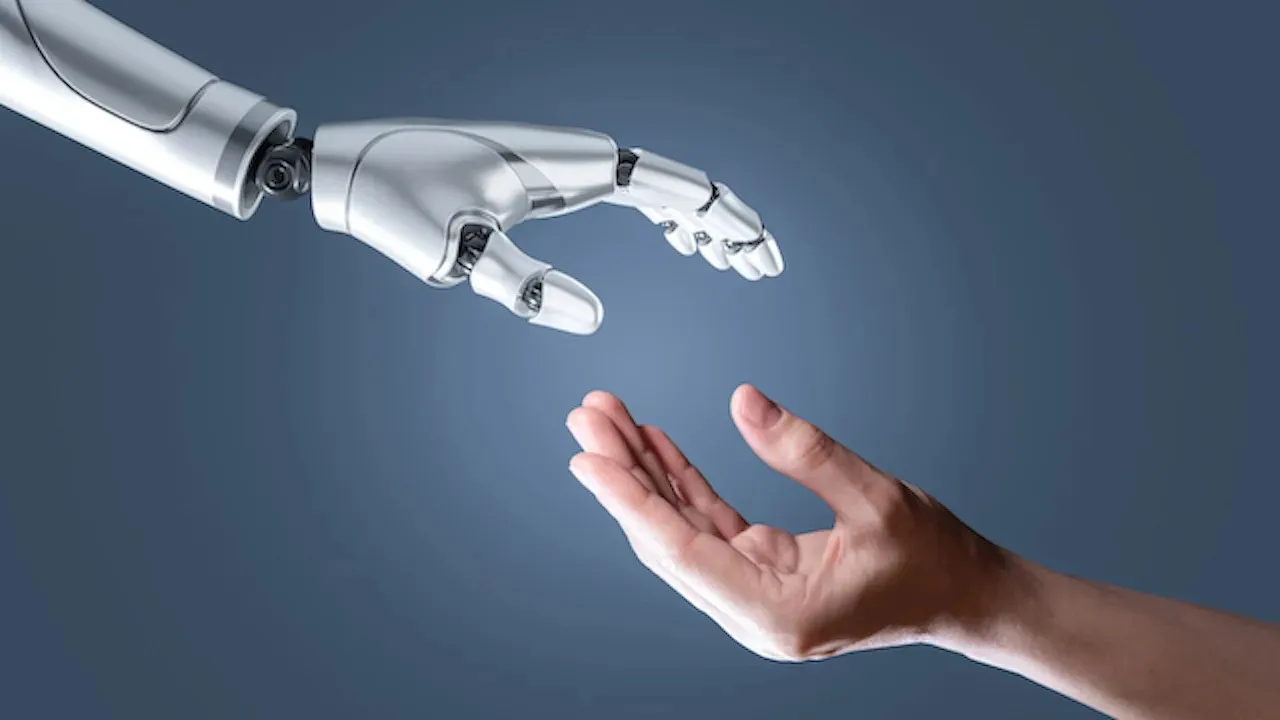

Artificial intelligence has become an important part of modern life. From smartphones and online shopping to healthcare, transportation, and business operations, smart technology is changing how people complete everyday tasks. Many activities that once required significant time and manual effort can now be supported by AI-powered tools that analyze information, recognize patterns, and provide useful suggestions.
Artificial intelligence is no longer limited to research laboratories or large technology companies. It is increasingly available to ordinary consumers, small businesses, schools, hospitals, and manufacturers. People use AI when they receive personalized recommendations, interact with virtual assistants, translate languages, or search for information online.
As this technology continues to develop, its influence on everyday routines and professional industries is becoming more noticeable. Understanding how AI works, where it is used, and what challenges it creates can help individuals and businesses make better decisions about adopting smart technology.
What Is Artificial Intelligence?
Artificial intelligence, commonly known as AI, refers to computer systems designed to perform tasks that normally require human-like intelligence. These tasks may include understanding language, identifying images, recognizing speech, analyzing information, solving problems, and making predictions.
Traditional computer programs usually follow instructions written by developers. AI systems can also use data and learned patterns to produce results in situations that may not have been specifically programmed step by step.
For example, an AI-powered photo application can recognize objects in pictures, while a virtual assistant can understand spoken questions and respond with relevant information.
AI is a broad field that includes several technologies, such as machine learning, natural language processing, computer vision, and robotics. These technologies work in different ways but often support one another in modern applications.
How AI Technology Works
Artificial intelligence systems depend on data, algorithms, computing resources, and training processes. The exact method depends on the type of AI being used.
Machine Learning
Machine learning is a branch of AI that allows computer systems to identify patterns in data and improve their performance through experience.
For example, an online shopping platform may study previous customer activity to identify products that someone might be interested in purchasing. A fraud detection system can examine transaction patterns and identify activity that appears unusual.
The quality of machine learning results depends heavily on the data used to train and operate the system.
Natural Language Processing
Natural language processing helps computers understand, interpret, and generate human language.
It supports tools such as chatbots, translation applications, voice assistants, and AI writing systems. These tools can process written or spoken requests and generate responses that are easier for people to understand.
Modern language models can also summarize documents, explain complex subjects, and assist with drafting content. However, their answers still need human review because they can misunderstand questions or produce inaccurate information.
Computer Vision
Computer vision allows machines to analyze visual information from photographs, videos, and cameras.
It is used in facial recognition systems, medical image analysis, manufacturing inspections, security monitoring, and some driver-assistance technologies.
For example, a factory camera system may identify damaged products on a production line. A medical imaging tool may help specialists examine scans for signs that require further investigation.
Robotics and Automation
Robotics combines software, sensors, mechanical components, and control systems to perform physical tasks.
AI can make robots more adaptable by helping them recognize objects, understand their surroundings, and respond to changing conditions.
Robots are used in warehouses, factories, agriculture, healthcare, and other environments where repetitive or carefully controlled physical tasks are required.
How Artificial Intelligence Is Changing Everyday Life
Many people use AI without thinking about the technology behind it. Smart systems are integrated into common devices and online services, making daily activities more convenient.
Smartphones and Virtual Assistants
Smartphones are among the most familiar places where people experience artificial intelligence.
Voice assistants can respond to questions, set reminders, provide weather information, create calendar events, and control compatible smart devices.
AI also supports features such as predictive text, voice recognition, photo enhancement, spam filtering, and automatic organization of images.
These tools can reduce the effort required for simple tasks and make digital devices easier to use.
Online Shopping and Personalized Recommendations
Online retailers use AI to understand customer preferences and improve shopping experiences.
Recommendation systems may analyze browsing activity, previous purchases, product searches, and other signals to suggest relevant items.
AI can also support customer service chatbots, inventory planning, product searches, and fraud detection.
Although personalized recommendations can save time, shoppers should remember that these systems are designed around commercial goals. Comparing products independently remains important.
Smart Homes and Connected Devices
Smart home technology allows household devices to communicate and respond to user preferences.
Examples include smart thermostats, connected security cameras, voice-controlled lighting, automated door locks, and smart appliances.
AI can help some of these devices learn usage patterns and make automatic adjustments. A smart thermostat, for instance, may use household schedules and environmental information to manage heating or cooling.
These systems can improve convenience and may help reduce unnecessary energy use. However, users should understand device privacy settings, security requirements, and compatibility before connecting equipment to their home networks.
Navigation and Transportation
Navigation applications use intelligent systems to estimate travel times, analyze traffic conditions, and suggest alternative routes.
AI-supported driver assistance features can help identify nearby vehicles, detect lane markings, monitor blind spots, and provide warnings about potential hazards.
Some transportation companies also use AI to plan delivery routes, manage vehicle maintenance, and improve logistics.
These technologies can support safer and more efficient transportation, but drivers must remain attentive and follow road rules. Driver assistance systems are not a replacement for responsible driving.
The Role of AI in Healthcare
Healthcare is one of the industries where artificial intelligence has significant potential. Hospitals, medical researchers, and healthcare professionals use AI-supported systems to analyze information and improve certain parts of patient care.
Supporting Medical Image Analysis
AI tools can help analyze medical images such as X-rays, CT scans, and MRI scans. Some systems are designed to identify patterns that may be difficult to notice during an initial review.
These tools can assist qualified medical professionals, but they do not independently replace clinical judgment. Doctors remain responsible for interpreting findings alongside symptoms, medical history, and other examination results.
Improving Hospital Administration
Healthcare organizations handle large amounts of information, appointments, records, and administrative work.
AI-supported systems can help organize schedules, process documents, manage patient inquiries, and support routine administrative tasks.
Reducing repetitive work may allow healthcare staff to spend more time on patient-related responsibilities.
Supporting Medical Research
Researchers can use AI to analyze large datasets, examine biological information, and identify patterns that may support new discoveries.
It can also help researchers explore potential drug candidates and organize scientific information.
However, medical research requires careful testing, independent review, and regulatory oversight. An AI-generated prediction is not proof that a treatment is safe or effective.
Artificial Intelligence in Education
Education is changing as digital learning tools become more advanced. AI can support teachers, students, and educational institutions in several ways.
Personalized Learning Support
Different students learn at different speeds. AI-powered learning platforms can adjust practice questions, explanations, and learning activities based on a student’s progress.
A student who struggles with a particular subject may receive additional practice, while someone who understands the material quickly may move toward more advanced exercises.
These systems can support learning, but teachers still play an essential role in understanding student needs and providing guidance.
Language Learning and Writing Assistance
AI tools can help students practice languages, improve grammar, summarize reading material, and understand difficult concepts.
They may also provide explanations for mathematical problems or help organize research notes.
Students should use these tools as learning support rather than relying on them to complete every assignment. Developing independent thinking, writing, and problem-solving skills remains important.
How AI Is Transforming Modern Industries
Beyond personal technology, artificial intelligence is changing how businesses manufacture products, serve customers, manage information, and make decisions.
Manufacturing and Industrial Production
Factories use AI-powered systems to monitor equipment, inspect products, and improve production planning.
Predictive maintenance is one important application. Instead of waiting for a machine to break down, monitoring systems can examine performance information and identify signs of possible equipment problems.
Computer vision can also help detect product defects during manufacturing.
These applications may reduce downtime, improve quality control, and support more efficient production processes.
Banking and Financial Services
Financial institutions use AI to examine transactions, identify unusual activity, assess certain risks, and support customer service.
Fraud detection systems can analyze transaction patterns and flag activity that may require additional verification.
AI-powered virtual assistants can answer basic account questions and guide customers through routine services.
However, financial institutions must carefully manage customer information, explain important decisions where required, and protect systems against misuse.
Retail and Supply Chain Management
Retail companies use AI to estimate demand, manage stock, analyze sales trends, and plan product deliveries.
A business may use historical sales information and other relevant data to estimate which products are likely to sell during a particular season.
Better forecasting can help reduce stock shortages and unnecessary inventory. AI can also support warehouse automation and delivery planning.
Agriculture and Food Production
Agriculture is another industry benefiting from intelligent technology.
AI-supported tools can analyze information from sensors, drones, weather systems, and satellite images. Farmers may use this information to monitor crop conditions, identify possible pest problems, and manage irrigation.
Some advanced agricultural machines can also use cameras and sensors to distinguish crops from weeds.
These technologies may help farmers use resources more efficiently, although their usefulness depends on local conditions, equipment costs, and reliable data.
Customer Service and Business Operations
Businesses increasingly use AI chatbots and automated support systems to answer common customer questions.
These tools can provide information about orders, delivery updates, product details, and basic troubleshooting.
AI can also help employees summarize meetings, organize documents, prepare reports, and search large collections of business information.
Human support remains important when customers have complicated questions, sensitive concerns, or situations that require careful judgment.
Benefits of Artificial Intelligence
Artificial intelligence offers several advantages when it is used responsibly.
Faster information processing: AI can examine large amounts of data much faster than manual methods in many situations.
Improved productivity: Automation can reduce repetitive work and allow employees to focus on tasks requiring creativity and judgment.
Personalized services: Intelligent systems can adjust recommendations and learning experiences according to individual needs.
Better decision support: AI can identify patterns that help professionals evaluate information and consider possible options.
Greater accessibility: Speech recognition, translation, and assistive tools can help people interact with technology in different ways.
Operational efficiency: Businesses may improve production, inventory management, and customer support through suitable AI applications.
These benefits depend on the quality of the technology, the data available, and how carefully people manage its use.
Challenges and Risks of AI Technology
Despite its advantages, artificial intelligence also creates challenges that individuals, businesses, and governments need to address.
Privacy and Data Protection
AI systems may process personal information, including photographs, voice recordings, browsing activity, and business records.
If this information is collected or stored without proper safeguards, it can create privacy and security risks.
Users should review privacy policies, limit unnecessary permissions, and avoid entering sensitive personal or financial information into tools that are not approved for that purpose.
Inaccurate Information
AI systems can produce incorrect answers, misunderstand instructions, or present uncertain information with confidence.
This is particularly important in areas such as healthcare, law, finance, and public safety.
People should verify important information through reliable sources and consult qualified professionals when decisions have serious consequences.
Changes in Employment
Automation may change the responsibilities of workers in many industries. Some repetitive tasks may become automated, while new jobs may develop around AI development, maintenance, security, and oversight.
Workers may need to improve their digital skills and learn how to use new tools effectively.
Businesses and educational institutions also have a role in helping people prepare for changes in the workplace.
Bias and Fairness
AI systems learn from data, and that data may contain errors or unfair patterns.
If a system is trained on unbalanced information, it may produce results that disadvantage certain individuals or groups.
Regular testing, human oversight, and clear accountability are important for reducing these risks.
How to Use Artificial Intelligence Responsibly
Getting useful results from AI requires more than choosing a popular application. Users should understand what a tool can do, what information it collects, and where human judgment is still necessary.
A few practical habits can help:
- Verify important answers before relying on them.
- Avoid sharing passwords, financial details, or unnecessary personal information.
- Use trusted applications and review their privacy settings.
- Check AI-generated work for errors and misleading statements.
- Follow workplace, school, and professional rules when using AI.
- Keep human review involved in important decisions.
- Learn how different tools work before using them for sensitive tasks.
Businesses should also establish clear policies for data protection, employee training, system monitoring, and accountability.
What the Future May Look Like
Artificial intelligence is likely to become more closely connected with everyday devices, business software, transportation systems, and public services.
Future systems may provide more advanced assistance with communication, research, planning, manufacturing, and healthcare administration. Robots may also become more capable of performing physical tasks in environments that require flexibility.
At the same time, the development of AI will raise important questions about privacy, employment, safety, fairness, and responsibility.
The most useful progress will not simply come from creating more powerful systems. It will also depend on making technology reliable, secure, accessible, and beneficial to society.
Final Thoughts
Artificial intelligence is transforming everyday life and modern industries by helping people process information, automate tasks, and access services more efficiently. From smartphones and smart homes to hospitals, factories, banks, and agricultural operations, its applications continue to expand.
However, AI is a tool rather than a replacement for human judgment. It can make mistakes, create privacy concerns, and produce unfair results if it is not properly designed and managed.
Learning how artificial intelligence works and understanding its benefits and limitations can help individuals and businesses use smart technology more effectively. With responsible development, appropriate safeguards, and human oversight, AI can play a valuable role in shaping a more connected and productive future.
